Aprons 101: History, Types, and Timeless Style
An apron is one of the most underrated daily garments we own. Simply defined, an apron is a protective piece of clothing worn over regular outfits to block stains, spills, dust, and heat. Beyond basic protection, aprons serve many practical and cultural purposes. They keep skin safe from harsh chemicals, allergens, and high temperatures; they offer convenient pockets to store small working tools; they act as official uniforms for workers; and they even function as decorative or ceremonial clothing.
The word “apron” has an interesting linguistic origin. It derives from the Old French word napron, which originally meant a small piece of cloth. Over time, people mispronounced the phrase “a napron” as “an apron”. This common language change is known as rebracketing.
Common Types of Aprons
Aprons come in dozens of styles designed for different scenarios. We can divide most aprons into two basic categories: waist aprons that only cover the lower body, and bib aprons that protect both the chest and waist. Most aprons fasten with fabric ties at the back, while some adopt more advanced ergonomic designs.
1. Bib Apron
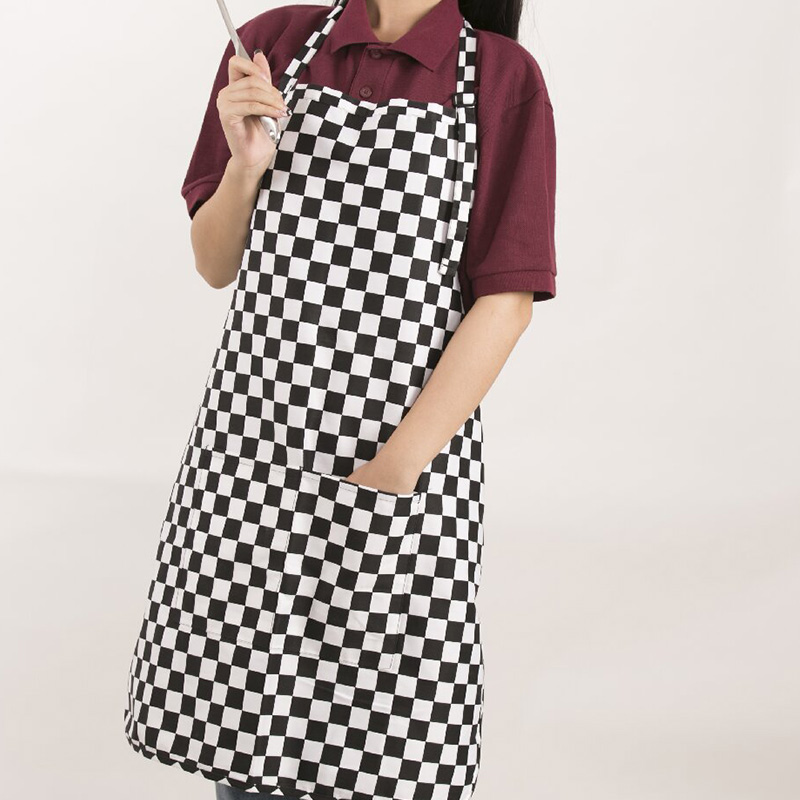
The bib apron, also called the French chef apron or barbecue apron, is the most universal style in the world. Dating back hundreds of years, it was originally made from simple scrap fabrics. With full coverage and an easy wearing structure, it became popular among laborers as early as the 1880s. During the 1960s, traditional feminine home aprons declined in popularity, making unisex bib aprons the mainstream choice. Today, they are available in countless colors, fabrics, and printed patterns.
2. Pinafore Apron
A pinafore is a sleeveless apron with armholes, fastened with buttons or ties on the upper back. Unlike regular aprons, it has complete shoulder coverage. Pinafores are commonly worn by women and children for daily housework or casual decoration. In American English, similar sleeveless casual dresses are named jumper dresses.
3. Tabard / Cobbler Apron
Known as a tabard in the UK and a cobbler apron in the United States, this unique apron covers both the front and back of the torso. It fastens with side or waist ties and is widely used in bakeries, hospitals, and retail stores. Early cobbler aprons were made of thick leather. Some modern versions use front snaps instead of ties, resembling casual vests for home use.
4. Bungalow Apron
Popular between the 1910s and 1940s, the bungalow apron was a simple, loose garment designed exclusively for women’s indoor wear. Featuring integrated kimono-style sleeves and minimal decorations, it could be worn alone without extra clothing. Later, it gradually evolved into modern loungewear and patio dresses.
5. Clerical Apron
Now largely obsolete, the clerical apron was a traditional costume for Anglican bishops and archdeacons. Similar to a short knee-length cassock, it was black for archdeacons and purple for bishops. Equipped with knee breeches and gaiters, this outfit was originally designed for horseback riding during parish inspections. After the mid-20th century, it lost practical value and faded out of official use.
The Long History of Aprons: From Tools to Fashion Symbols
Medieval & Renaissance Era
In early European history, fabric was extremely precious. People wore simple cloth scraps around their waists merely to protect expensive outer clothes. Various professions had exclusive apron colors: butchers wore blue stripes, stone masons wore white dust-proof aprons, and shoemakers wore black wax-resistant aprons. Aprons became so iconic that manual workers were collectively called “apron men”. Meanwhile, religious groups such as Freemasons began using specially designed ceremonial aprons, a tradition still preserved today.
1500s–1800s: Aprons as Luxury Fashion
During the Renaissance, wealthy European women wore embroidered and lace-trimmed aprons as high-class fashion accessories. In 1650s England, Puritan culture popularized minimalist white aprons matched with long black dresses. In the Victorian Industrial Revolution, mass-produced aprons flooded the market with diverse designs including ruffles, lace, and satin. At that time, aprons clearly represented social class: servants wore plain white aprons, while noble ladies wore luxurious silk and embroidered styles.
Apron Development in North America
Native Americans originally wore aprons for rituals and labor. In later centuries, early female settlers wore simple white aprons, while upper-class women wore delicate embroidered designs. In the 1800s, both maids and housewives wore aprons as daily attire. Elegant aprons even carried subtle romantic implications and were nicknamed “fig leaves” in that era.
1920s–1940s: Simplicity During Hard Times
In the 1920s, fashionable long and loose embroidered aprons dominated high society. During the Great Depression from the 1930s to 1940s, fabric shortages forced people to make aprons from flour sacks and feed bags. The simple and cute pinafore aprons became widely popular during this period.
1950s: The Golden Age of Home Aprons
After World War II, aprons became a classic symbol of family, motherhood, and domestic life. Housewives made creative aprons from leftover cloth, towels, and sacks. Printed cotton aprons with kitchen and mom-themed patterns were mainstream. Meanwhile, men began wearing casual bib aprons for weekend barbecues.
1960s–1970s: Decline and Transformation
The rising feminist movement made traditional feminine aprons unpopular. Women pursued simpler, gender-neutral bib aprons instead. Although home apron usage decreased, aprons remained essential work uniforms for chefs, butchers, hairdressers, and service staff.
1980s–Present: Modern Renaissance
Aprons were less common in ordinary households in the 1980s. In recent years, however, aprons have staged a fashionable comeback. No longer limited by gender or social stereotypes, aprons are widely used for cooking, gardening, painting, and handmade hobbies. Service industries still use logo printed bib aprons as standard work uniforms.
Final Thoughts
From humble rags to ceremonial costumes and modern fashion items, aprons have evolved alongside human civilization. They are no longer just dirty-proof tools, but carriers of history, culture, and lifestyle. Whether you are a professional chef, a home cook, or simply someone who loves tidy aesthetics, a well-made apron is always a practical and timeless wardrobe essential.
Click here to see more aprons